Search
Home / Let Poor Older Adults Work: Policy Recommendations for an Improved GIS

Let Poor Older Adults Work: Policy Recommendations for an Improved GIS

The earnings exemption for the Guaranteed Income Supplement should be raised to $10,000, doubling it from its current level of $5,000 and indexing it to inflation, to reflect the economic and social realities of older adults in Canada today.

An earnings exemption, sometimes described as a “turning point,” refers to the portion of employment or self-employment income that GIS recipients can earn without reducing their benefits. This ensures that work remains a viable option for low-income older adults.

This change would help reduce poverty among working Canadians 65 and older, contribute to the fight against ageism and could also reduce social isolation. By allowing low-income older adults to work without undue financial penalties, Canada can foster a more inclusive and equitable ageing workforce while aligning the GIS with the contemporary public policy landscape.
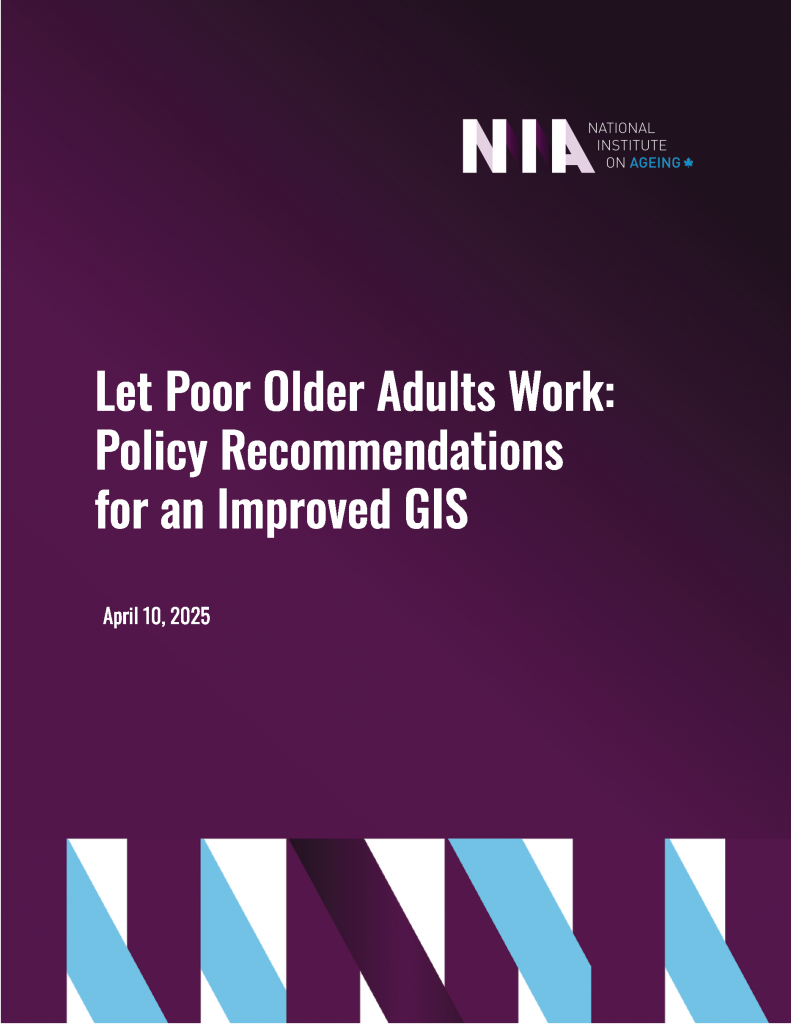

Let Poor Older Adults Work report cover
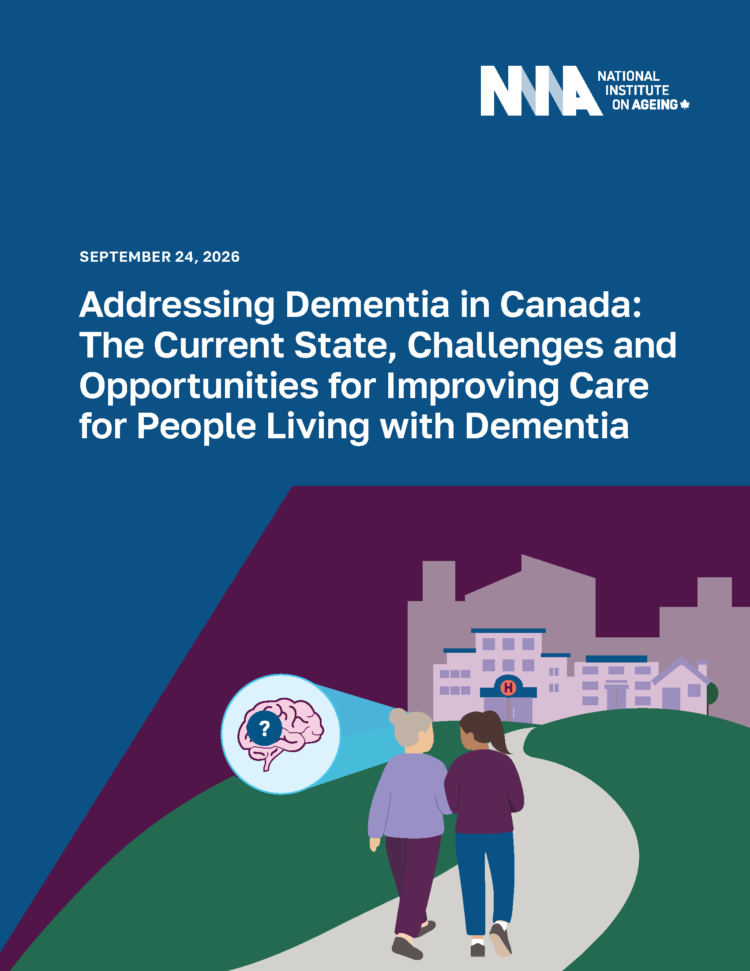
Addressing Dementia in Canada: The Current State, Challenges and Opportunities for Improving Care for People Living with Dementia
Reports
September 23, 2026
Addressing Dementia in Canada: The Current State, Challenges and Opportunities for Improving Care for People Living with Dementia

A new report from the National Institute on Ageing (NIA) is calling for a more coordinated approach to dementia care to ensure Canadians living with dementia and their caregivers can access high-quality care and support, no matter where they live. Addressing Dementia in Canada: The Current State, Challenges and Opportunities for Improving Care for People […]

More Info
Reports
September 23, 2026
Pre-Budget Submission to the Department of Finance

The NIA has released its latest pre-budget submission to the Department of Finance in advance of Budget 2026. The submission outlines seven recommendations to help ensure Canada’s policies and programs better support the needs of our ageing population. The NIA recommends the federal government: Together, these recommendations address financial security, disability supports, caregiving, community-based services, responsible AI […]

More Info
Reports
September 14, 2026
National Institute on Ageing Submission on the Proposed Disability Tax Credit Amendment

The NIA is calling on the federal government to reduce the administrative, financial and eligibility barriers that can prevent older adults with disabilities from accessing the support they need. Recommendations include adopting a broader definition of disability, simplifying the application process, eliminating unnecessary reassessments, expanding the health professionals who can certify applications, and enabling supported […]

More Info